Business games

Learning Experiences for Managers and Teams

People learn best through experience. Business games transform leadership and teamwork concepts into engaging challenges, helping participants practice decision-making, communication, collaboration, and problem-solving in a dynamic and memorable way. The insights gained during the game lead to real change long after the experience ends.

A Game in Leadership and Team Effectiveness

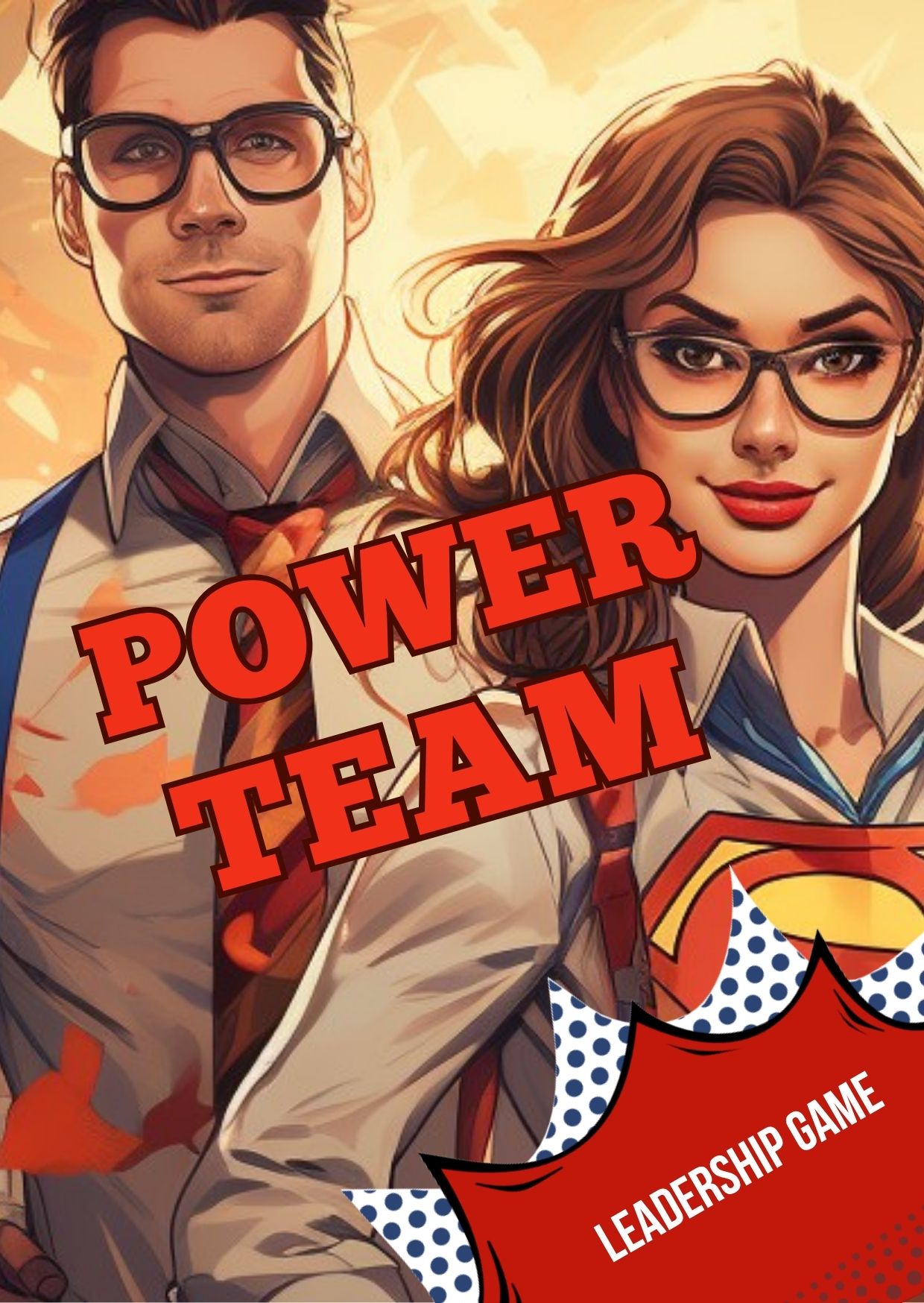
Power Team

Engaging leadership development experience designed for managers and team leaders navigating today’s fast-changing business environment. 

  • Practice leadership skills through realistic business cases and interactive challenges
  • Strengthen communication and collaboration across teams and functions
  • Gain practical tools to increase team engagement and motivation
  • Turn insights into actions that can be immediately applied in the workplace
Victoria
5/5

"Power Team changed how our leadership team operates."

Six months on, we are more aligned, more decisive, and — frankly — more human with one another. The impact on team performance has been remarkable just because we have enhanced better leadership practices. Play this game at your next team event, and you will be delighted with the results.

A Game in Pitching and Communication

The Colony

The year 2067. Humanity has crossed its limit. The first colonists have settled on Mars — breathing recycled air, rationing every calorie, watching the clock. There is no rescue mission and no second chance. The colony will live or die by a single question: Can they make the right people believe in it?

The game is designed for teams that support internal or external clients, manage projects involving multiple stakeholders, and navigate complex organisational dynamics.

People can practice clear communication and active listening, pitching under pressure, and cross-functional collaboration.

5/5

"The Colony gave our team a truly unique and memorable learning experience."

Through an engaging simulation, we had to develop our mission, build a compelling case for its success, and convince stakeholders to support our vision. The game felt surprisingly close to real life. Just like in business, we had to create value, communicate it clearly, influence others, and gain buy-in from key decision-makers. It challenged our teamwork, creativity, communication, and stakeholder management skills in a fun and immersive way. An inspiring experience that sparked meaningful discussions and valuable insights long after the game was over.

A Game on stress management and resilience

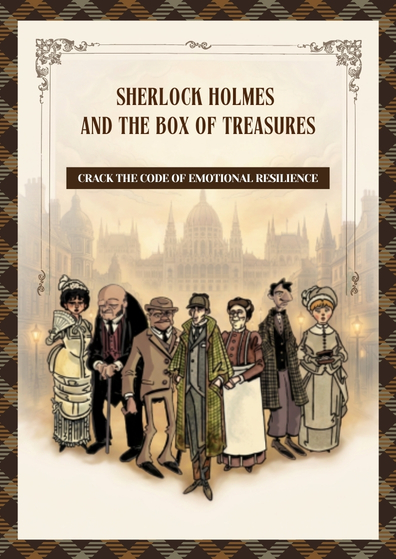
Sherlock Holmes And The Box Of Treasures

A mysterious letter arrives at Baker Street.

Professor Moriarty, Holmes’ greatest rival, accuses him of lacking resilience and being unable to cope with pressure after their most recent confrontation. Determined to prove Moriarty wrong, Holmes embarks on a journey to uncover the secrets of emotional resilience hidden within the legendary Box of Treasures.

In this interactive business game, participants join Holmes in solving challenges, completing missions, and uncovering practical strategies for managing stress and maintaining well-being in a demanding world. Through engaging exercises, team discussions, and reflection, they learn how to recognize the early signs of stress, understand their personal energy sources, and develop habits that strengthen resilience.

  • Identify personal stress triggers and energy drains.
  • Discover practical techniques for managing pressure and uncertainty.
  • Transform tension into confidence, focus, and effective action.
5/5

"Sherlock Holmes and the Box of Treasures was a game-changer for our team."

It helped us better understand the sources of stress and pressure in our daily work and, more importantly, provided practical tools to manage them. The game sparked meaningful conversations about well-being, energy, and resilience.  And what is more interesting, we have increased our performance without increasing the pressure. 

A game on Managing Emotions

How To Train Your Dragons

We all have dragons.

Some appear as anger, frustration, anxiety, self-doubt, or fear. Left untamed, they can take control of our decisions, relationships, and performance. But when understood and managed, these same dragons can become powerful allies.

In How to Train Your Dragons, participants embark on an interactive journey to discover, understand, and tame their inner dragons. Through engaging challenges, reflection exercises, and practical tools, they learn how emotions influence behavior and how to respond thoughtfully rather than react impulsively.

5/5

"How to Train Your Dragons was one of the most engaging and insightful learning experiences our team has participated in."

The game helped us realize that our emotions are not obstacles to overcome but strengths to understand and manage. The game gave us a safe space to explore our reactions, uncover hidden patterns, and practice new ways of responding to challenges. It was fun, thought-provoking, and surprisingly powerful. We left with greater self-awareness, practical tools for managing difficult emotions, and a deeper understanding of ourselves and each other. A truly transformative experience for our team.

How it works

Let's get you started with these next steps

Step One - Book a Call

Schedule a call with me to discuss your goals, and together we’ll identify the game that best fits your needs and desired outcomes.

Step Two - Plan experience

Together, we will agree on the date, format, and number of participants, and tailor the experience to your team’s goals and needs. 

Step Three - Play and Learn

Your team takes part in an immersive business game and turns insights into practical actions they can apply immediately in their daily work.

let's talk

Are you ready to begin?

Schedule a short call with me and let’s discuss which game will be the best fit for your team

On The Blog

Get started on these blog posts

6 Types of team meetings that bring value and how to lead them

Resilience - a #1 skill in the changing environment. How to develop it

How to use these drivers to motivate your people better